

Bottle Tokenization: How and Why to Digitize the Wine Investment Process
The tokenization of wine bottles using blockchain is becoming a tool that solves very practical problems: from fighting counterfeits to simplifying investments. Terms such as “blockchain” and “tokens” often evoke associations with the cryptocurrency market, but in fact the technology has long spread outside of itGained a foothold.
But what is this process and what does wine have to do with it and how can you make money from it?Let's look at it in detail.
What is wine tokenization?
Tokenization is, first of all, about transferring ownership of a physical bottle of wine into digital form. This is possible thanks to blockchain technology, which is used to create NFTs - unique digital tokens associated with a specific asset. Such tokens store data about the bottle: origin, characteristics and ownership history.
How does it work?
1.The manufacturer creates an NFT tied to a specific bottle of wine.
2.The token is recorded in the blockchain - a database in which the data cannot be changed or falsified.
3.The physical bottle remains in the custody of the manufacturer or in a special storage facility.Token holders can transfer their rights to others, sell the token or exchange it on the platform that issues it.
For example, you buy a token for a bottle of collectible wine. This token gives you the right to remove the bottle from storage in the future or sell it on a digital platform. Storage facilities are usually under the control of certified companies, which eliminates the risk of product damage. At the same time, owners often insure their bottles to protect them from unforeseen situations.
What is the value of tokenization
At first glance, tokenization may seem overkill for an industry that deals in a physical product. However, the technology has several key advantages.
1.Anti-counterfeiting
Fake wine remains one of the main problems in the market. This is especially true in the premium segment. Blockchain data ensures complete transparency of the supply chain: from the winery to the final buyer. That is, with the help of an NFT tied to a specific bottle, the buyer can check the history of verified records of each stage of its production and movement.
2.Simplify your investment
Collectible wines have traditionally been an attractive asset for investors, but physically owning bottles carries risks: they must be properly stored, insured and protected from damage. Tokenization eliminates these problems.
In addition, an investor who has purchased a token can sell it on a digital platform without even interacting with the physical product.
3.Scalability and availability
Tokenization reduces the barrier to entry into the collectible wine market. For example, you can buy a token that represents a portion of a barrel of wine, rather than the entire bottle. This makes the market more accessible to younger investors or those who want to dabble in this space.
How does this fit with the investment market?
It is important to understand how wine tokenization differs from other forms of investment. For example:
• Traditional wine funds: Such funds require significant investments and their liquidity is limited. Tokenization allows assets to be sold faster on digital platforms.
• Physical purchase of wine: The classic form of ownership requires storage and transportation costs, which makes it less convenient. Tokenization solves these problems.
However, like any asset, tokens are dependent on market liquidity. Unlike funds or exchange-traded instruments, demand for wine tokens is limited to investors and collectors, which can impact their value.
Usage Examples
BlockBar
This platform partners with brands like Hennessy and Bacardi to offer buyers NFTs that prove ownership of premium beverage bottles. Physical products are stored in professional vaults and token holders can trade them or gain access to exclusive events.
Château Angélus
A French winery offered tokens tied to barrels of 2020 Angelus wine. Buyers not only received the right to the products, but also exclusive privileges - such as the opportunity to visit the farm during the harvest.
Project from Russia: “Chardonnay 2019”
In 2024, Nikolaev and Sons Winery, together with PSB Bank, launched a wine tokenization project. Token holders can either physically pick up the bottle or sell the token on the Tokeon platform. This project became one of the first examples of the use of technology in the Russian market.
Unlike NFTs, which are more commonly used on international platforms, this project uses so-called Digital Financial Assets (DFAs). Technically, these are also tokens on the blockchain, but they were developed in accordance with Russian legislation.
Advantages and Limitations
Every new technology has its advantages and risks. Wine tokenization is no exception.
Why it is beneficial:
• Transparency: The blockchain system allows complete verification of the origin of the product.
• Easy transactions: Transferring ownership takes place in just a few clicks.
• Reduced storage risks: Bottles remain under the control of professionals, preventing damage.
What are the restrictions:
• Legal uncertainty: Russian DFAs already fit into the legal framework and are regulated by the Bank of Russia, but remain illiquid for the global market. And vice versa: NFT is a universal token format that can be traded not only on the market of the issuing platform, but also on common crypto platforms or generally directly between userscan.But the regulation of this market as a whole is still in limbo.
• Technical Difficulties: You must understand platforms, software, wallets and digital signatures and also take responsibility for storing the token.
• Limited liquidity: Unlike other financial instruments, wine tokens do not yet have sufficient liquidity.
Who is this for?
Wine tokenization is a tool for investors, collectors and producers.For investors, this is an opportunity to invest in world-class assets without unnecessary complications.For collectors, this is a way to protect their collections from counterfeits.For producers, a new way to interact with their audience.
However, mass adoption of the technology will take time. Legal and technical hurdles remain a serious obstacle. Therefore, tokenization remains a niche tool, but one that offers growth potential, especially in the premium segment of the market.
Other articles
5 Things to Know Before the Stock Market Opens
Stock futures are pointing to a higher open Thursday amid a chip stock rally, while investors also

Vexl: Empowering Peer-to-Peer Bitcoin Exchange Through Social Networks
In an era where centralized exchanges dominate cryptocurrency trading, Vexl stands out as a
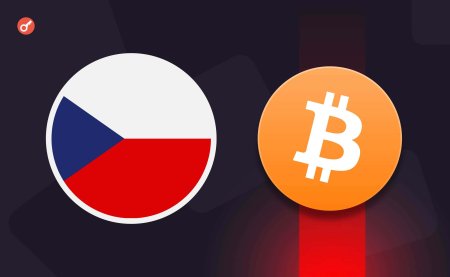
The head of the Czech central bank urged not to equate Bitcoin with other crypto assets
Ales Michl published his opinion on Bitcoin amid the LIBRA scandal. The head of the CNB believes
The Bitcoin Pi Cycle Top Indicator: How to Accurately Time Market Cycle Peaks
The Bitcoin Pi Cycle Top Indicator has gained legendary status in the Bitcoin community for its